
Working remotely has changed how people think about health insurance in the USA. More workers are choosing freedom over office life, but finding the right health coverage can be confusing. Unlike traditional jobs, remote work often means you must select and manage your own insurance. If you’re a freelancer, contractor, or digital nomad, understanding your options is crucial for your peace of mind and your wallet.
Health Insurance Options For Remote Workers
Remote workers in the USA have several choices for health coverage. Each option fits different needs and budgets.
- Affordable Care Act (ACA) Marketplace: Remote workers can buy plans on the Health Insurance Marketplace. These plans cover essential benefits and cannot deny you for pre-existing conditions. Many workers qualify for subsidies, making premiums more affordable. In 2023, 4 out of 5 people found coverage for less than $10 a month after subsidies.
- COBRA Coverage: If you recently left a traditional job, COBRA lets you keep your old employer’s plan for up to 18 months. It’s usually expensive because you pay the full premium plus a fee, but it keeps you covered during transitions.
- Private Health Insurance: You can buy insurance directly from providers. Private plans offer more choices and sometimes unique benefits, but they can be costly and may require medical underwriting.
- Health Sharing Plans: These are not traditional insurance, but members share medical costs. They often have lower monthly costs but fewer protections. Some remote workers use these as a temporary solution.
- Spouse or Parent’s Plan: If your spouse or parent has employer coverage, you may qualify as a dependent. This is often cheaper and covers more than individual plans.
- Short-term Health Plans: These plans give temporary coverage, usually for a few months. They’re less expensive, but they cover less and may not include pre-existing conditions.
Key Factors To Consider
Choosing the right plan involves more than price. Consider these critical points:
- Network Coverage: Does the plan cover doctors and hospitals in your area or wherever you travel?
- Deductibles and Copays: High deductibles mean lower premiums but more out-of-pocket costs if you get sick.
- Prescription Coverage: Some plans limit or exclude certain drugs.
- Telehealth Services: Many remote workers prefer virtual doctor visits. Check if your plan supports telemedicine.
- Out-of-State Coverage: If you move often, make sure your insurance works in other states.

Credit: safetywing.com
Common Mistakes Remote Workers Make
Many remote workers overlook important details when choosing insurance:
- Ignoring the annual out-of-pocket maximum. This is the most you pay in a year. A lower maximum can protect you from big bills.
- Not checking if their favorite doctors are in-network.
- Forgetting to update their address when moving states, which can affect coverage.
- Choosing the cheapest plan without reading what’s included.
Example Cost Comparison
Here’s how three common plans might compare for a 35-year-old remote worker in Texas:
| Plan Type | Monthly Premium | Deductible | Out-of-Pocket Max |
|---|---|---|---|
| ACA Bronze | $325 | $7,000 | $8,550 |
| Private PPO | $420 | $3,000 | $6,500 |
| Short-term Plan | $120 | $10,000 | $12,000 |
Telemedicine And Digital Tools
Remote workers often travel or live far from major cities. Plans with telemedicine can save time and money. Some insurers offer apps for virtual doctor visits, digital prescription refills, or even mental health support. For example, many ACA plans now include telehealth at no extra cost.
Tips For Saving Money
- Compare plans during Open Enrollment (usually Nov-Dec).
- Use an HSA (Health Savings Account) if you choose a high-deductible plan. Contributions are tax-free and can be used for medical costs.
- Check if you qualify for Medicaid or CHIP, especially if your income is low.
Here’s a quick look at how plan features compare:
| Feature | ACA Plan | Private Plan | Short-term Plan |
|---|---|---|---|
| Pre-existing Conditions Covered | Yes | Maybe | No |
| Telehealth | Often Included | Varies | Rarely |
| Prescription Drugs | Yes | Varies | Limited |

Credit: eswa.org
Where To Get Help
If you’re unsure, use the official Healthcare.gov website or talk to a licensed insurance agent. Guidance is often free and can help you avoid mistakes. For more details on the ACA, visit the official HealthCare.gov site.
Frequently Asked Questions
What Is The Best Health Insurance For Remote Workers?
There’s no one-size-fits-all answer. The best plan depends on your budget, health needs, and travel habits.
Can Remote Workers Get Employer-sponsored Insurance?
Only if your remote job is a W-2 position with benefits. Freelancers and contractors must buy their own coverage.
Are There Tax Benefits For Remote Workers’ Health Insurance?
Yes, if you’re self-employed, you may deduct your health insurance premiums on your taxes.
Does Health Insurance Cover Telemedicine For Remote Workers?
Many modern plans do, especially ACA plans. Always check your plan details before signing up.
What If I Move To A Different State?
You may need to change your plan. Not all insurance works nationwide, so review your options if you move.
Selecting the right health insurance as a remote worker can feel complex. But with the right information and careful choices, you can find coverage that fits your lifestyle and budget while protecting your health and future.
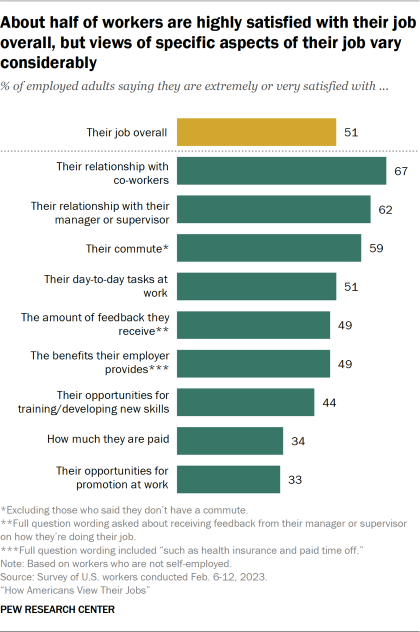
Credit: www.pewresearch.org






0 Comments